Enthusiasm vs Efficiency
Guiding, Contributing & Consulting
Arturo Garcia, Corelogic (Now Cotality), Property Data
Why increased demands for data quality, robust systems and instantaneous support will bring about the CLIP ID powered futured.
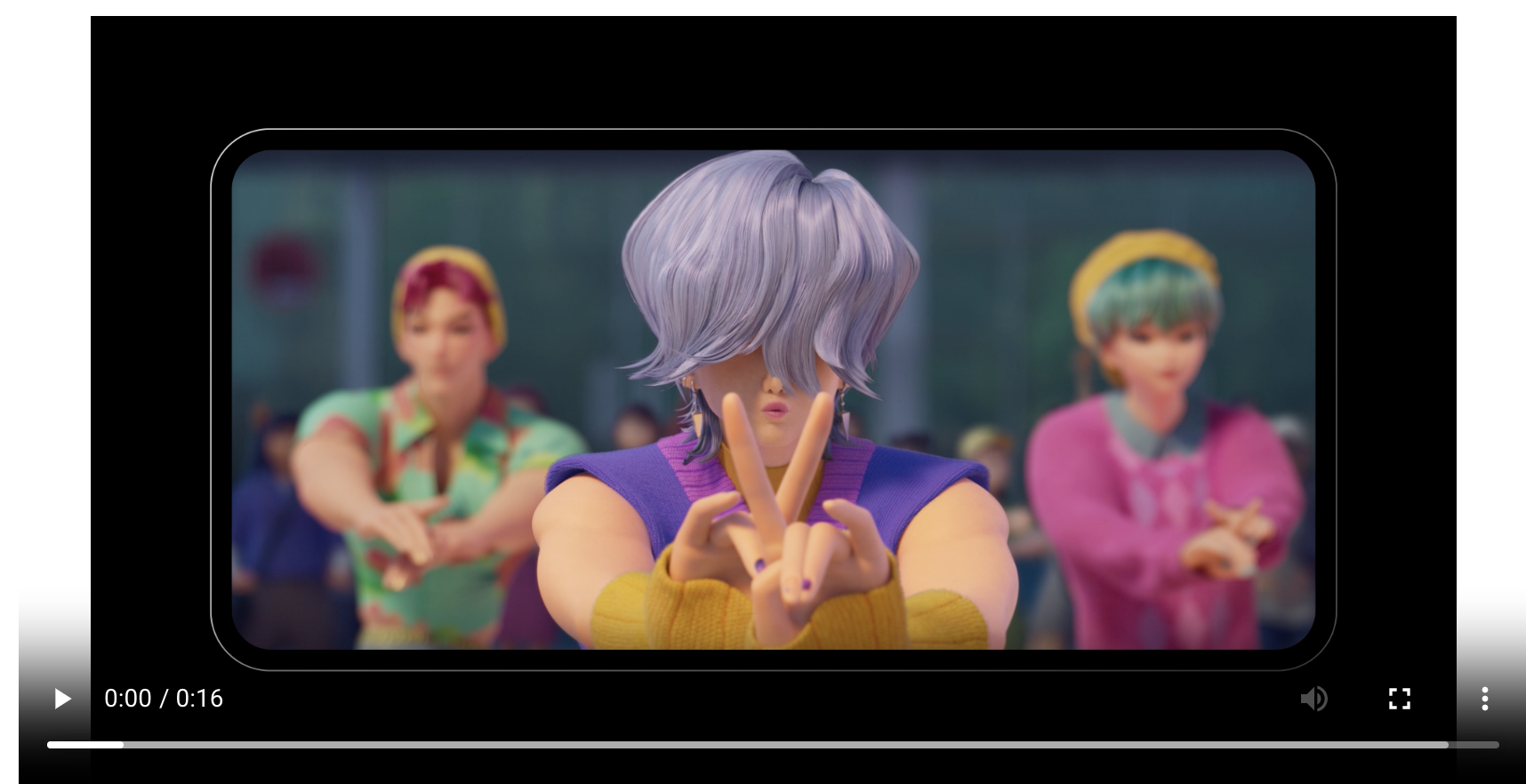
- Key Trend in Streaming
- Key Trend in Streaming
The Double-Edged Sword of Hyper-Personalization



20% Increase Dmg
Double-Edged Sword
20% Less Health

The core trend is that efficiency is replacing enthusiasm. Users have an overwhelming abundance of choice, leading to decision fatigue and a reliance on algorithmic curation that can feel isolating.
Market Researc Data
Market Research Data: This isn't just a hypothesis; it's a well-documented market reality. Nielsen's "State of Play" report consistently highlights the growing challenge of content discovery. A 2023 report noted that 20% of audiences feel overwhelmed by the number of streaming services and platforms, spending an average of 10.5 minutes per session just trying to find something to watch. This indecision is a direct tax on the user experience we've worked so hard to streamline. While personalization is a key retention strategy, its diminishing returns are now quantifiable in lost user time and mounting frustration.
Cited Report
2. Increased Focus on Data Quality and Validation
As data became the foundation for critical business decisions, its quality became paramount. Customers and regulators alike demanded proof that the data was accurate, complete, and trustworthy.
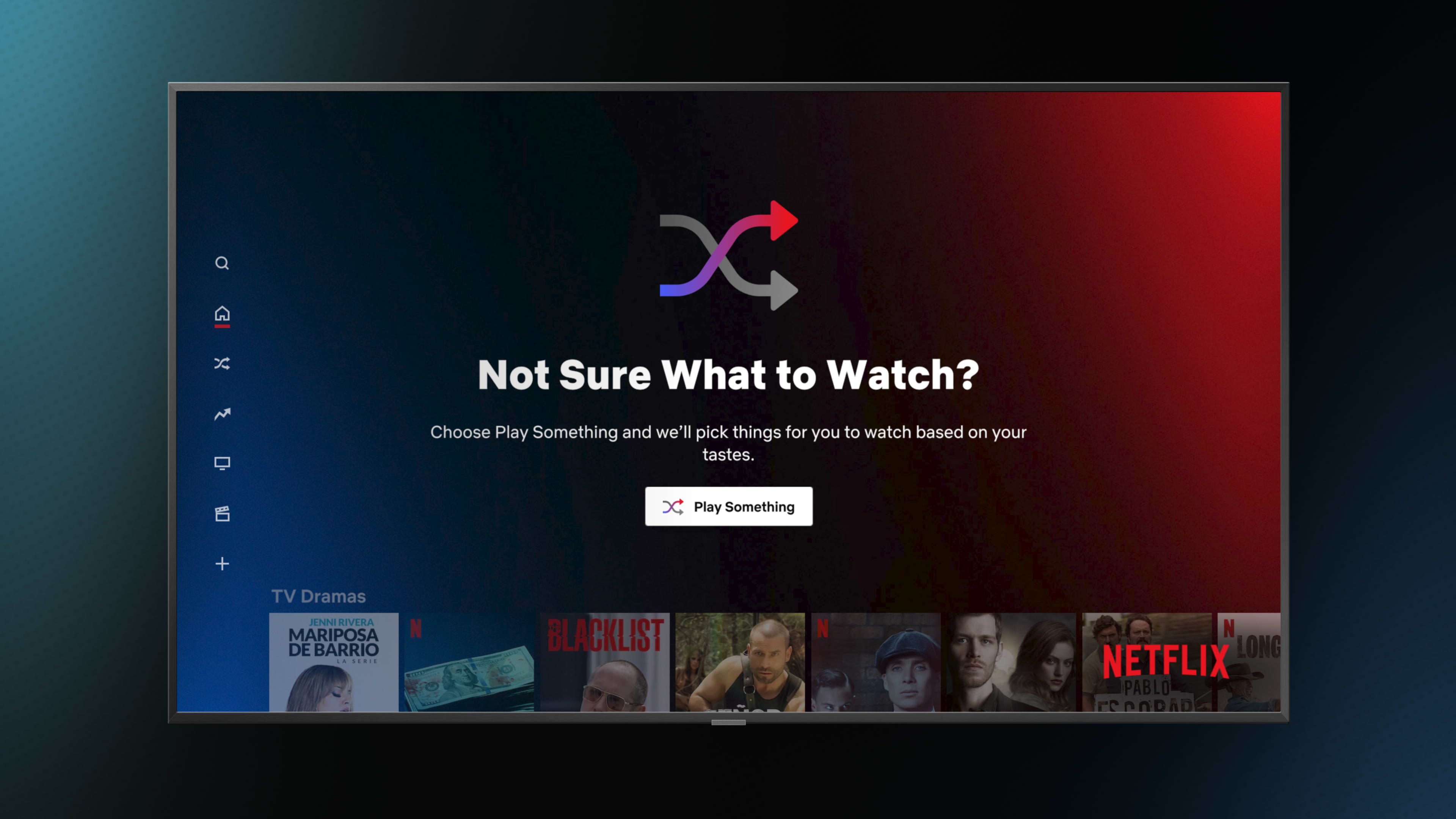
3. Personalization Driving Feature Expectation
A key driver of the need for better data and more features was the customer's expectation of personalization. By 2020, generic experiences were no longer acceptable.
Academic & Reputable Publications:
Cited Report
Market Research Data
- From Private Streams to Public Conversations
From Private Streams to Public Conversations



Enabled
Public Conversations

While users struggle with discovery inside our app, they are solving the problem themselves outside of it. The desire for shared cultural moments hasn't vanished; it has simply migrated to other platforms.
This is where our new "Moments" feature becomes a critical clue. This feature is not just a tool; it's our first formal acknowledgment of a massive, untapped user behavior. For years, the most powerful discovery engine has been organic, human-to-human interaction.
These platforms are successfully capturing the lightning in a bottle that is spontaneous, fan-driven discovery. Users aren't sharing a Netflix-generated "98% Match" score; they are sharing a specific, emotionally resonant moment—a shocking plot twist, a hilarious line of dialogue, or a visually stunning scene.
The launch of "Moments" is our strategic move to bring this behavior, and the immense value it generates, back into our own ecosystem.
Think of:
TikTok & Instagram Reels: Entire ecosystems thrive on users clipping, editing, and sharing short-form video moments from shows to create viral trends, memes, and fan theories.
Reddit & X (formerly Twitter): Episode discussion threads for shows like Stranger Things or Squid Game garner millions of interactions, serving as a real-time pulse of cultural relevance.
- The Future is Discovery Through Dialogue
The Future is Discovery Through Dialogue
Enabled
Public Conversations

Connecting these clues reveals a clear causal path. The friction of hyper-personalization is pushing users toward social platforms for discovery, and their behavior on those platforms shows they crave shareable, bite-sized moments of content.
Therefore, the inevitable future is not a marginally smarter recommendation AI, but a socially-integrated discovery engine fueled by fans. The core user journey is shifting from a private, algorithmic one to a public, conversational one.
Netflix is not just a library of content; it is the venue for the conversation around that content.
By expanding on features like "Moments," we can architect a future where:
- A user's home screen is a dynamic mix of algorithmic picks and trending clips being shared by their friends and the wider community.
- A clip of a shocking scene from a new series shared by a friend becomes a more potent and trustworthy recommendation than any percentage match score we can generate.
- We measure success not just by "hours streamed," but by "conversations started," effectively capturing the cultural value that is currently being monetized by other platforms.
This evolution turns passive viewers into active promoters and curators, leveraging the most powerful marketing force in existence: genuine human enthusiasm.
2
- The Problem (of tomorrow)
If trends continue...

Jon
New User

5-year problems for users
- Instant single-time use is discouraged across the journey experiences, by system recommendations bombarding new users on first time use.
- Activation requires a lengthy onboarding process That exposes users to several features available at startup.
- Adopting the tool into routines Will require several layers of context, which means many opportunities to upload relevant documentation or artifacts in order to get the most out of the system analysis.
5-year problems for business
- Complex dashboard with features requires high learning curve for internal understanding and support.
- Key activation requirements increases to multi-action journeys, Lengthening notable wins due to confounder variables.
- Governance for maintaining new data types and analysis on data requires additional security, reliable measures.
- Increased maintenance costs for robust data signals.
First-Order Effect (The Obvious Progression):
Our personalization engine becomes so perfect it achieves near-total isolation. Each user's Netflix is a "market of one," a flawless but lonely mirror of their own tastes. The "Top 10" list becomes the only source of common ground on the platform, creating an unhealthy, blockbuster-or-bust content dynamic.
First-Order Effect (The Obvious Progression):
Our personalization engine becomes so perfect it achieves near-total isolation. Each user's Netflix is a "market of one," a flawless but lonely mirror of their own tastes. The "Top 10" list becomes the only source of common ground on the platform, creating an unhealthy, blockbuster-or-bust content dynamic.
Third-Order Effect (The User Experience Impact):
The user problem evolves from "What should I watch?" to "Who can I talk to about what I watched?" This is Conversational Isolation. The joy of the shared media experience—the "water cooler" moment after a big episode—disappears. Media consumption becomes a private, isolating activity, robbing users of the community and connection that makes entertainment meaningful.
PROBLEM
3
- Scenario Planning:
The Most Probable Future
"The Content Utility"
Let's briefly consider a few potential futures:

Utility
Trend
The Status Quo Future:
We continue to perfect our algorithm, ignoring the social discovery trend. This is the most direct path to becoming a commoditized utility.

Social
Network
The Social Aggregator Future
We attempt to build our own social network within Netflix. This is a high-risk, high-reward strategy that would require a fundamental shift in our corporate DNA to compete with established social giants.

Iykyk
Premium
The Curated Boutique Future:
We abandon the "something for everyone" model and become a smaller, prestige-focused service like HBO. This cedes the volume market to our competitors.
Scenarios
4
Netflix as the Content Utility.
The most probable scenario, if we stay our current course, is the first one:

Likely
Future
Netflix as the Content Utility.
In this 2030 scenario, the user journey looks like this: A user sees a viral clip of a new Netflix show on TikTok. They come to our platform, use the search bar to find that specific show, binge-watch it, and then leave. Their loyalty is to the trend, not to our platform. We become a functional but forgettable part of the media supply chain.
The ultimate problem of tomorrow is this: As the world's premier streaming service, we risk becoming the least social place to experience entertainment, leading to a catastrophic loss of brand power and cultural authority. This is the problem our future vision must solve.
PROBLEM
- The Vision as Intervention
Netflix Portals
A "Portal" is more than a clip; it's a doorway into a shared moment. It's a user-generated or creator-endorsed snippet of content that carries social context and drives communal discovery.

Choice
Fire
Vision Prototypes
The Portal Feed: Imagine a new, dedicated tab in the Netflix interface. It is a visually-driven, vertical feed, much like Instagram Reels or TikTok, but populated exclusively with "Portals" from Netflix content. This feed would have two views:
- Friends Feed: Shows Portals being shared by people the user knows. This makes discovery personal and trusted.
- Community Feed: Shows trending Portals from top critics, fan communities, and official show accounts, allowing users to tap into the global zeitgeist.
- Functionality: Each Portal is seamlessly tappable. Tapping a Portal immediately starts playing the full episode or film from that exact moment, reducing discovery friction to zero. Users can react, comment, and add the title to their list directly from the Portal.
SOLUTION
Netflix Portals
Integrated Watch Parties
Vision Prototypes
The Interface: The primary content plays in the main window. On a sidebar, participants' video feeds are visible, allowing for real-time reactions. A synchronized chat runs alongside. The experience is designed to feel like you're on the couch with friends, no matter the distance.
SOLUTION